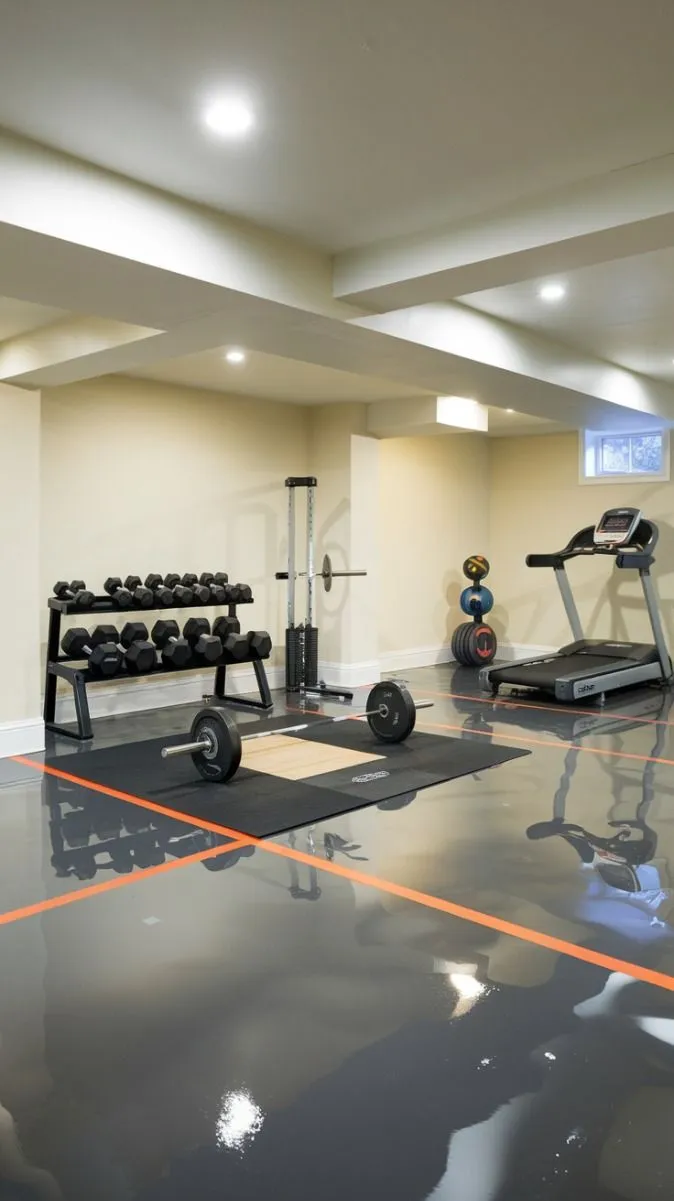
Opening a neighborhood fitness studio involves decisions about exercise equipment, lighting, class schedules, and membership experience. Flooring deserves equal attention because different activities place different demands on the surface. Yoga classes, personal training, and group workouts may share one building while requiring different levels of comfort and impact protection. Businesses researching phoenix epoxy flooring should consider whether a decorative resin system suits their particular activities. Understanding equipment loads, cleaning requirements, noise, and surface traction helps studio owners create an environment that supports exercise without relying on appearance alone.
Identify the Activities Taking Place
A yoga studio requires different flooring characteristics from a strength-training facility. Yoga participants may spend time directly on mats, while personal trainers move equipment and work with clients across several activity zones.
List the services offered before choosing materials. Consider how many people use the space simultaneously and whether equipment remains in fixed locations. These details help establish which areas need added protection or separate flooring solutions.
Consider Impact and Comfort
Hard resin surfaces can provide a practical base for certain activities, but they do not offer the cushioning needed for every workout. Dropped weights and high-impact movements can place considerable stress on both flooring and equipment.
Suitable rubber flooring or protective mats may be needed in designated exercise zones. Studio owners should choose products appropriate for the loads involved and verify compatibility with the underlying finish. Protective materials should also be installed securely to avoid creating tripping hazards.
Evaluate Cleaning Requirements
Fitness studios experience repeated contact with footwear, sweat, water bottles, and exercise equipment. Cleaning routines must support a hygienic environment without damaging the installed materials.
Certain epoxy flooring systems can provide relatively continuous surfaces that are convenient to clean. However, disinfectants and other cleaning products must be compatible with the specific coating. Equipment and shared exercise accessories also require separate cleaning procedures.
Understand Decorative Flake Systems
Decorative flake flooring incorporates colored chips into a resin system, creating a patterned appearance. These finishes can complement a modern fitness studio while providing visual consistency between reception areas and selected exercise spaces.
Dialed In Epoxy describes installations involving concrete grinding, resin base layers, decorative flakes, and protective polyaspartic topcoats. The complete system should be reviewed with the contractor to determine whether it suits expected traffic and maintenance.
Make Traction Part of Planning
People exercising may move quickly, change direction, or walk across floors with damp shoes. Surface traction is therefore important, particularly near entrances and water stations.
Discuss appropriate textured finishes and applicable safety requirements before selecting a coating. A glossy appearance should not take priority over practical movement. Studio managers should also establish procedures for removing spills promptly and keeping walking areas clear.
Manage Sound and Vibration
Exercise activities can create noise through footsteps, moving equipment, and dropped objects. Hard flooring may reflect sound, especially in rooms with limited acoustic treatment.
A decorative coating alone will not solve these problems. Depending on the building, appropriate rubber surfaces, acoustic panels, and equipment placement may help manage noise. Businesses sharing walls with other tenants should consider these requirements before opening.
Prepare the Concrete Before Installation
An existing commercial unit may contain old carpet adhesive, previous coatings, damaged joints, or uneven areas. These conditions should be evaluated before applying a new flooring system.
Mechanical grinding and suitable repairs can help prepare the surface for coating. Moisture conditions may also require assessment. Studio owners should discuss preparation details with their contractor and avoid selecting an installation schedule before the substrate has been inspected.
Coordinate Flooring With Equipment Delivery
Large exercise machines and storage racks can make floor preparation difficult once installed. Completing suitable flooring work before equipment arrives may simplify the renovation process.
Important planning considerations include:
-
Confirming equipment weights and placement.
-
Identifying rooms requiring protective mats.
-
Scheduling concrete preparation and application.
-
Allowing sufficient curing before equipment installation.
-
Establishing cleaning and maintenance procedures.
A clear schedule can reduce unnecessary movement of heavy equipment and help protect the completed floor.
Conclusion
Fitness studio flooring should be selected according to the activities performed rather than appearance alone. Resin coatings may suit reception areas and certain exercise zones, while impact-intensive activities often need additional protective materials. Studio owners should evaluate traction, noise, cleaning, and equipment loads before choosing a system. For businesses exploring decorative concrete flooring across Phoenix and surrounding Arizona communities, dialedinepoxy.com provides information about epoxy flake systems and installation methods. Thoughtful planning can help create an attractive facility that supports everyday workouts, practical maintenance, and a comfortable member experience.
