Eco-Friendly Home Design for the Modern Age
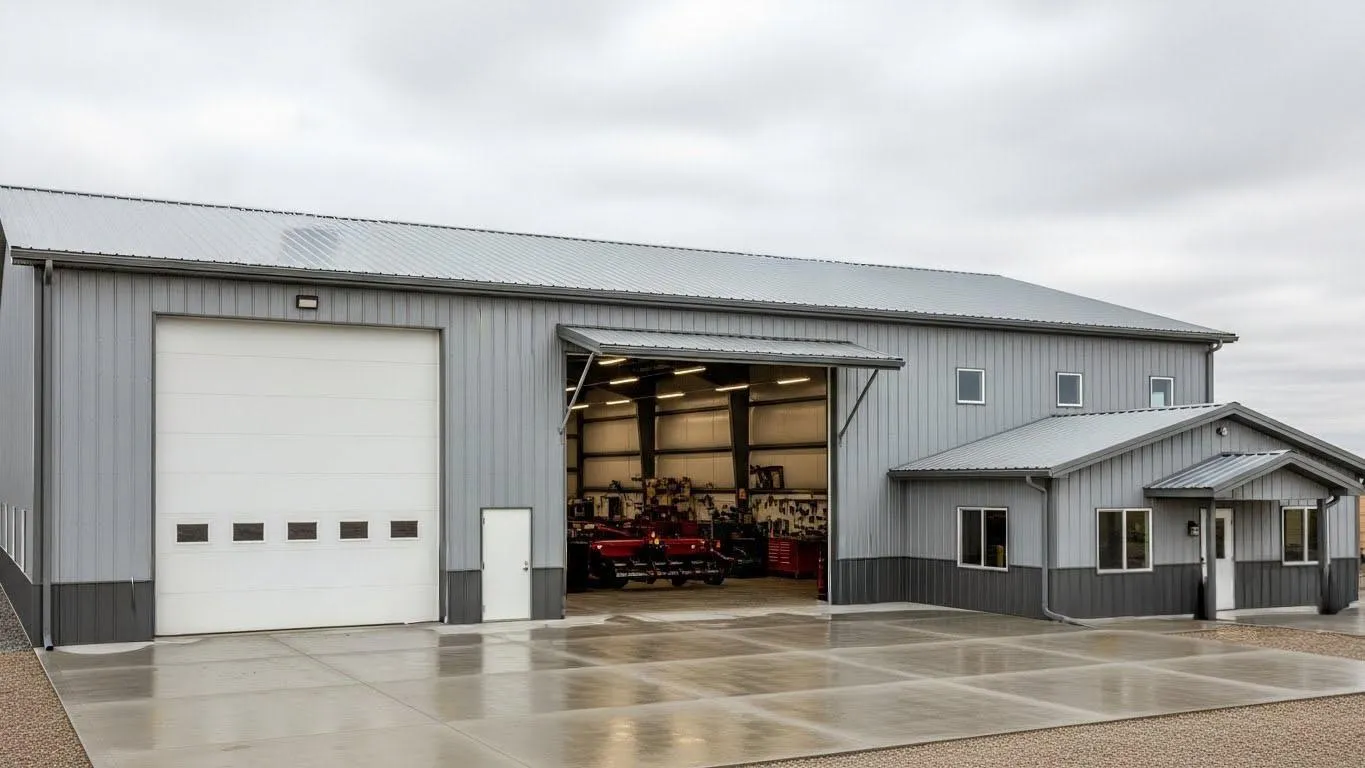
As the world grows more conscious of the ecological footprint of our everyday lives, the integration of eco-friendly principles into home design has become not just a trend, but a necessity. Modern homeowners are beginning to realize the value of homes that are both sustainable and cost-efficient, leading to an ever-growing interest in eco-friendly design solutions. One of the significant advancements in this space is the rise of barndominiums in Canada. These innovative structures not only reflect a minimalist aesthetic but are also remarkably sustainable.
The Rise of Sustainable Living
Living sustainably is no longer an option but a responsibility. As the effects of climate change become increasingly evident, homeowners are looking for ways to reduce their impact on the environment. This has led to the adoption of eco-friendly practices in home design, such as energy efficiency, sustainable materials, and integrated green technology.
Incorporating eco-friendly elements can significantly reduce a home’s carbon footprint. Simple adjustments, such as choosing energy-efficient appliances or installing solar panels, can make a substantial difference. However, for those committed to a complete lifestyle change, building or renovating a home with sustainability in mind is a rewarding endeavor.
What Are Barndominiums?
Barndominiums are a unique fusion of barn and condominium, combining the rustic charm of a barn with the modern conveniences of a condominium. Originally popularized in rural America, they have found a significant following in Canada as well. This can be attributed to their affordability, versatility, and low environmental impact.
Constructed primarily from steel and other sustainable materials, barndominiums are not only energy-efficient but also long-lasting. The use of steel in their construction ensures that they are robust and resistant to Canada’s harsh weather conditions. Additionally, the expanse of open space within a barndominium allows for flexible interior design that can maximize natural light, further reducing electricity needs.
Sustainability in Materials and Design
Eco-friendly homes prioritize materials that are sustainable, recyclable, and energy-efficient. Steel, for instance, is a highly sustainable building material. Its durability and recyclability make it an excellent choice for those looking to build a home with minimal environmental impact.
The 40×60 Steel Building Kit is a perfect example of how steel can be used for eco-friendly construction. This kit offers pre-engineered steel components that reduce waste and speed up the construction process, ensuring sustainability and efficiency. Leveraging these kits can cut down on the carbon footprint typically associated with traditional building methods.
Energy Efficiency: The Pillar of Eco-Friendly Homes
Energy efficiency is a critical component of sustainable home design. By implementing technologies that reduce energy consumption, homeowners can significantly diminish their carbon footprint and save on utility costs. Innovations such as smart thermostats, energy-efficient heating and cooling systems, and LED lighting can contribute to a more sustainable living environment.
Insulation plays a crucial role in energy efficiency as well. Proper insulation ensures that the indoor temperature is maintained without excessive use of heating or air conditioning, thus conserving energy. In barndominiums, using high-quality insulation materials can maximize energy efficiency.
Water Conservation: A Vital Aspect
Water conservation is another essential element of eco-friendly home design. Implementing systems that limit water usage and recycle water can drastically reduce a home’s environmental impact. Rainwater harvesting systems and low-flow fixtures are practical solutions that allow homeowners to conserve water effectively.
In semi-rural and rural areas where barndominiums are often located, integrating water conservation strategies can be crucial, especially if water resources are limited. These strategies not only contribute to environmental sustainability but also offer financial savings over time.
Embracing Renewable Energy
The use of renewable energy sources is a hallmark of eco-friendly home design. Solar panels, wind turbines, and geothermal energy systems are becoming more accessible and affordable for homeowners. By generating their own sustainable energy, homeowners can significantly reduce reliance on non-renewable energy sources.
Barndominiums, with their expansive roofs, offer ideal surfaces for solar panel installations. This setup maximizes energy capture and enhances the sustainability of the home. More so, opting for a solar-powered barndominium can further appeal to environmentally-conscious buyers, increasing the property’s market value.
Incorporating Green Spaces
Including green spaces like gardens or green roofs in home design can enhance a property’s ecological value. These spaces help in absorbing carbon dioxide, improving air quality, and providing natural insulation. For barndominium owners, converting some parts of the property into vegetable gardens or flower patches not only supports biodiversity but also contributes to a self-sustaining lifestyle.
Indoor plants can also play a role in maintaining the indoor air quality of a home. By selecting species known for their air-purifying properties, homeowners can enjoy a refreshed, healthy interior environment.
The Future of Home Design
Eco-friendly home design is no longer just about building energy-efficient structures; it is about adopting a holistic approach to sustainable living. It integrates smart technology, renewable energy, sustainable materials, and energy-efficient appliances to create a harmonious ecosystem that benefits both occupants and the environment.
As we move forward, the growing popularity of barndominiums and innovations such as the 40×60 Steel Building Kit set the stage for a new era in home design. By embracing these methods and technologies, Canadians can not only reduce their environmental impact but also lead the charge in sustainable living. Find modern wedding corsage inspiration to complement today’s bridal trends.
Conclusion
The journey towards an eco-friendly home begins with informed decisions regarding design, materials, and technology. Whether adopting the trendy barndominium lifestyle or employing sustainable building kits, the importance of green design cannot be overstated. It is a commitment to a better future, promising not only ecological benefits but also financial savings in the long run.
Incorporating eco-friendly home designs is a significant step towards a sustainable future. As we continue to seek harmony with nature, these measures will prove invaluable in preserving our planet for generations to come. In Canada, where diverse landscapes present both challenges and opportunities, embracing eco-friendly home design is an imperative step towards environmental stewardship and innovation.
https://ybt-social-delivery.s3.us-east-2.amazonaws.com/ybt-steel-builds-general/Autumn+Afternoon+Beside+Steel+Structure.png