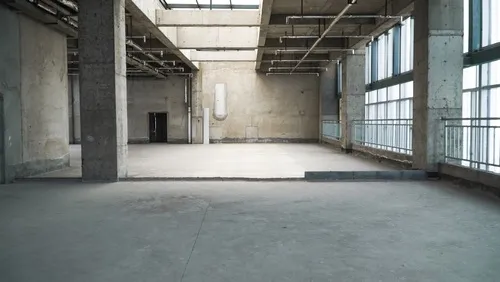
Concrete has a quiet beauty that many people cover up before they ever give it a chance. With the right treatment, an ordinary slab can become a clean, durable surface that shows its natural character. Property owners who want that look often turn to grind and seal concrete floors, a process that refines the surface and protects it without heavy layers of color. This article explains how the approach works, where it shines, and when another finish may serve you better.
What the Process Actually Involves
The method is simpler than the name suggests. Diamond grinding removes the thin, weak top layer of concrete along with old paint, glue, and stains. That step exposes fresh material and opens the pores. A penetrating or film-forming sealer then locks in protection, reducing dust and resisting moisture. Preparation quality drives the final result. Because the finish is thin, it highlights the slab’s natural variations rather than hiding them, which is exactly the appeal for owners who prefer an authentic, understated look.
Why Sheen and Texture Matter
Sealer choice changes how the floor looks and feels. A matte finish gives a soft, modern appearance and hides scuffs, while a satin or gloss option brightens a room and deepens the concrete’s tone. Texture additives can be blended in for traction where wet shoes or carts are common. Think about lighting, foot traffic, and cleaning habits before deciding. Sample boards help you judge the result. The same slab can feel calm and quiet or glossy and bold depending on a few simple choices.
Ideal Settings for This Finish
This approach suits spaces where practicality and style meet. Retail showrooms, studios, restaurants, offices, and workshops all benefit from a low-profile, easy-care surface. It also works well in basements and garages when the goal is a clean, sealed slab without a thick coating. Because there is no heavy film to peel, the finish ages gracefully, and worn areas can be refreshed by adding a new coat of sealer rather than starting over. Maintenance stays refreshingly straightforward for busy owners and property managers.
Where Epoxy Takes Over
Some projects call for more than a sealed slab. When you want bold color, decorative flakes, a seamless thick surface, or stronger chemical resistance, epoxy flooring is the better fit. It builds a heavier film that hides imperfections and withstands harsher use. The tradeoff is a more manufactured appearance and a more involved installation. Compare both options against your priorities, whether those are looks, durability, budget, or maintenance, rather than assuming one finish suits every room. Honest comparison prevents regret later.
Checking the Slab Before You Commit
Concrete condition determines whether this finish will succeed. Slabs with active moisture, severe cracking, or heavy contamination may need repairs first. Existing coatings must be fully removed, and oil-saturated areas may need extra treatment. A good contractor tests the surface, explains what they find, and sets expectations about visible imperfections. Candid conversations beforehand avoid disappointment. Patches and repairs can show through a thin sealer, so it helps to accept some character in the final look instead of expecting a flawless, uniform appearance.
Daily Care and Long-Term Upkeep
Caring for a sealed floor takes little effort. Dust mopping removes grit that dulls the surface, and a damp mop with neutral cleaner handles most spills. Avoid abrasive pads and harsh chemicals that can strip sealer. Felt pads protect against furniture scratches, and mats at entrances reduce tracked-in dirt. Consistent habits keep the surface looking its best. Depending on traffic, the sealer may need a maintenance coat after a few years, a quick job that restores sheen and protection without major disruption.
Practical Advantages Beyond Looks
Using the existing concrete avoids adding layers of material, which appeals to owners who value simplicity. There is less to remove if you later change your mind, and the surface can complement many design styles, from industrial lofts to contemporary offices. Reduced dust improves air quality in busy interiors, and the sealed surface resists everyday spills. It is a thoughtful, grounded choice. For many projects, that combination of restraint, practicality, and visual character is difficult to beat, particularly when budgets favor straightforward solutions.
Conclusion
A low-profile concrete look is not for everyone, but for the right space it delivers lasting value. Understand how the process works, check the condition of your slab, and weigh sheen, texture, and upkeep against your goals. Be honest about whether a thicker coating would serve you better. When you are ready to talk through options for a Cincinnati property, visit kingcustomcoatings.com and share your plans. The best floors start with clear expectations and end with surfaces people simply enjoy.
